

What Happens When You Skip Post-Wax Aftercare in Phoenix: A Guide to Preventing Folliculitis
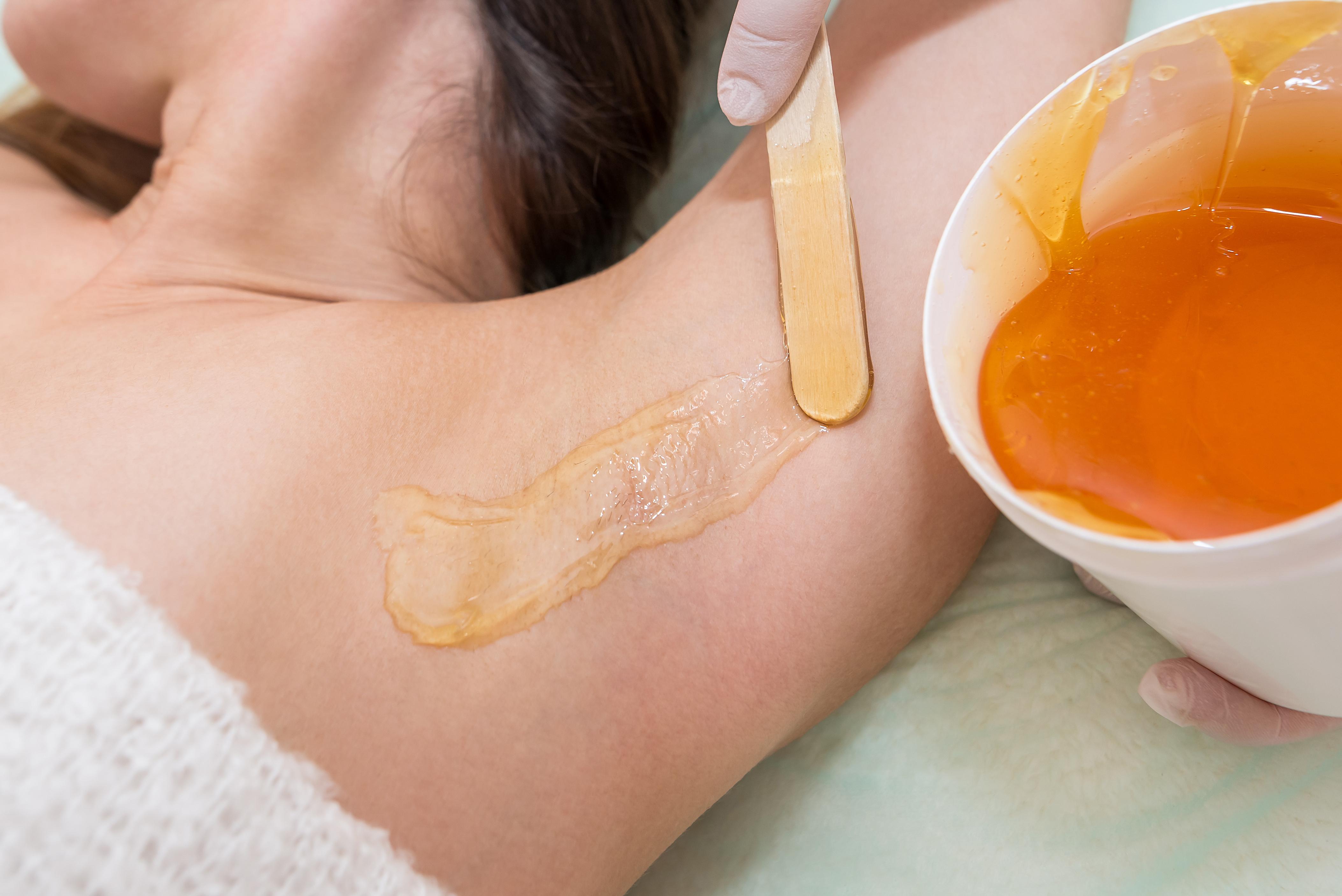
You walked out of your waxing appointment with smooth skin. Forty-eight hours later, you're staring at small, tender bumps with white centers. This isn't just irritation—it's folliculitis, a bacterial infection that develops when post-wax instructions get ignored. In Phoenix's heat, where sweating is inevitable and workout routines are year-round, understanding how to protect freshly waxed skin isn't optional.
At Pampered Beauty LLC in Phoenix, we leave you with the aftercare instructions you need to prevent this from happening. Here's what actually happens to your skin after waxing, how to recognize when normal irritation crosses into infection, and exactly what to do when those telltale pustules appear.
Why the First 24 Hours After Waxing Are Critical
Waxing removes hair from the root, which temporarily leaves hair follicles open and vulnerable. These open follicles create entry points for bacteria—especially Staphylococcus aureus, which naturally lives on skin and can trigger an immune response leading to inflammation and infection. The environment you expose your skin to during this critical window determines whether you heal smoothly or develop complications.
The Non-Negotiable Rules: Wait 24 hours before sexual intercourse, wear loose clothing, avoid sweating, and start exfoliating only after 72 hours. These aren't suggestions—they're infection prevention protocols.
When clients ignore these guidelines, a specific chain of events unfolds. Tight clothing creates friction against freshly waxed skin while trapping heat and moisture. Sweat then mixes with bacteria on fabric, and both get forced directly into open pores. The result: folliculitis.
Folliculitis vs. Normal Post-Wax Irritation: How to Tell the Difference
Not every red bump after waxing signals infection. Most people experience mild redness or sensitivity that resolves within 24 to 48 hours. But folliculitis announces itself differently.
The warning signs appear 24 to 48 hours after your wax service. Look for pustules with white centers or visible pus—infected bumps that feel warm to the touch, tender, or increasingly painful. These small white pimples with a red halo typically develop over a large area, affecting multiple hair follicles simultaneously. Normal irritation fades. Infection intensifies.
Folliculitis commonly presents as small red bumps resembling a rash or acne, often itchy or tender, sometimes with a burning sensation. In more severe cases, pus-filled blisters indicate bacterial infection has taken hold. If bumps are getting worse instead of better, or if you see white centers forming, you're looking at folliculitis.
What Causes Folliculitis After Waxing in Phoenix
Bacteria entering open hair follicles can trigger an immune system response leading to inflammation. But several factors specific to Phoenix living amplify this risk.
Arizona's climate means year-round gym sessions, outdoor activities, and constant exposure to heat. Sweating immediately after waxing clogs open follicles and creates a breeding ground for bacteria. Activities causing excessive sweating—intense workouts, saunas, hot baths—should be avoided for at least 24 hours after waxing. In a city where temperatures regularly exceed 100 degrees, this requires planning.
The chest, back, and glutes have dense hair and oil glands, making them especially prone to breakouts. These areas combined with Phoenix heat create perfect conditions for bacterial growth. Tight clothing, sweating, and heat exposure shortly after waxing trap bacteria against vulnerable skin.
The bikini area presents additional challenges. The warm, moist environment promotes fungal growth, especially without proper aftercare. Research shows folliculitis following waxing is more frequent in proximal parts of extremities than distal parts, even though distal areas are waxed more often.
When Folliculitis Develops: Immediate Action Steps
Once you notice pustules forming, timing matters. Apply treatment immediately after seeing white centers—waiting allows bacteria to multiply. The protocol is straightforward: do not pop the bumps, and introduce chemical exfoliants designed to destroy bacteria.
Salicylic acid can penetrate the dermis and has been shown to reduce inflammation. Topical benzoyl peroxide, salicylic acid, and hydrocortisone cream may reduce inflammation and kill lingering bacteria in the area. These over-the-counter treatments target the infection at its source.
For bacterial folliculitis, antibiotic ointment applied directly to affected areas stops the spread. Over-the-counter antiseptic lotions, gels, or washes can treat the problem at home. Oxygen treatments that destroy bacteria also prove effective.
Maintain proper hygiene by washing the area with a mild, non-comedogenic, antibacterial cleanser one to two times daily, then pat dry with a soft, clean towel. Keep hands off the area entirely—touching introduces more bacteria.
Cleanse with an antibacterial wash once daily, use warm compresses to ease irritation, and apply salicylic acid or benzoyl peroxide only if skin isn't raw. Persistent cases may require topical or oral antibiotics—consult your dermatologist if it worsens.
The 72-Hour Exfoliation Rule and Why It Matters
Exfoliation prevents folliculitis by removing dead skin cells that trap bacteria and block follicles. But timing is everything.
The golden rule is to wait at least 24 to 48 hours before exfoliating after waxing. Immediately after waxing, your skin is sensitive and vulnerable and needs time to recover. Most professionals recommend waiting 72 hours—three full days—before introducing any exfoliation.
Exfoliating too soon after waxing is a common mistake that can lead to redness, irritation, and discomfort. Waiting at least 48 hours before starting an exfoliation routine is crucial.
Once you've passed the initial 24-48 hour waiting period, begin gentle exfoliation 2-3 days after your wax. Stick to once or twice a week depending on your skin's sensitivity, then increase to 2-3 times per week. Chemical exfoliants containing salicylic acid or glycolic acid work better than physical scrubs for preventing ingrown hairs and folliculitis.
Manual exfoliants like scrubs and loofahs don't help drastically with folliculitis. A chemical exfoliant works from under the skin where hair or bacteria is trapped. This makes them more effective at preventing the infection from taking hold in the first place.
Phoenix-Specific Considerations for Wax Aftercare
Phoenix's climate demands adjustments to standard aftercare protocols. Summer temperatures mean air conditioning creates dramatic temperature changes—your skin goes from 115-degree heat to 72-degree indoor air repeatedly. This temperature fluctuation stresses skin that's already compromised from waxing.
Schedule waxing appointments strategically. Book them when you can genuinely avoid sweating for 24 hours, which in Phoenix might mean choosing morning appointments before outdoor activities or planning around your workout schedule. Avoid activities causing excessive sweating such as intense workouts for at least 24 hours post-waxing. Sweat can irritate skin and clog pores, leading to more pimples.
Steer clear of saunas, hot tubs, and vigorous exercise for at least 24-48 hours post-waxing. In Phoenix, this also means considering your commute—sitting in a hot car with leather seats can trigger sweating that compromises healing.
Loose, breathable clothing becomes non-negotiable. After waxing, wear loose, breathable clothing to avoid friction and irritation. Clients should be advised to wear loose, breathable fabrics for at least 24 hours after waxing to allow skin to recover. Natural fibers like cotton allow air circulation and wick moisture better than synthetic materials.
When to See a Professional
If your symptoms don't improve within a few days or get worse, it may be time to reach out to your waxing provider or dermatologist. Keep an eye out for painful, pus-filled bumps, oozing, crusting, and elevated temperature. These symptoms can signal that infection is spreading, posing a more serious threat to your health.
A person should see their doctor if bumps start showing signs of infection. If this occurs, it will usually do so starting 2-3 days after waxing. A doctor may prescribe an antibiotic ointment or oral antibiotics to treat the infection. Don't wait—bacterial infections can worsen quickly and lead to scarring.
Prevention Checklist for Phoenix Clients
Before Your Appointment
Exfoliate 24 hours prior using a gentle method. Arrive with clean, product-free skin. Skip heavy lotions or oils that interfere with wax adhesion.
Immediately After Waxing (First 24 Hours)
No sexual intercourse. Wear exclusively loose-fitting clothing in natural fabrics. Avoid all sweating—no gym, no hot yoga, no outdoor activities in Phoenix heat. Skip hot tubs, saunas, swimming pools. Keep the area clean with gentle, fragrance-free cleansers. Apply soothing post-wax products recommended by your esthetician.
Days 2-3 After Waxing
Continue wearing loose clothing. Monitor for signs of folliculitis—pustules, increasing warmth, tenderness. Cleanse gently twice daily.
72 Hours After Waxing
Begin gentle exfoliation using chemical exfoliants with salicylic acid. Start with 2-3 times per week. Watch for any reaction and adjust frequency accordingly.
Ongoing Maintenance
Exfoliate 2-3 days before your next waxing appointment to prepare your skin. Maintain regular waxing schedules—consistent appointments every 4-6 weeks reduce hair thickness and minimize folliculitis risk over time.
Why This Matters for Your Skin Long-Term
Most cases of post-waxing folliculitis will clear up within a few days. However, if symptoms persist, seek the advice of your healthcare provider. Repeated infections can lead to scarring, hyperpigmentation, and chronic inflammation that makes future waxing increasingly difficult.
Following aftercare instructions isn't about being high-maintenance—it's about understanding how your skin heals and what it needs to do so successfully. Folliculitis may occur as a side effect of waxing, but it is typically mild and temporary and can be prevented and managed with hygiene practices and gentle aftercare post-wax.
In Phoenix's climate, where heat, sun exposure, and active lifestyles are constants, protecting your skin after waxing requires intentional planning. The alternative—dealing with infected follicles, antibiotics, and potential scarring—takes far more time and money than simply waiting 24 hours before hitting the gym.
Your skin just went through a process that removed hair from the root. Give it the 24 hours it needs to close those follicles, keep bacteria out, and heal properly. The smooth results you wanted from waxing depend on it.
Ready to book your next wax with an esthetician who prioritizes your skin health? Contact Pampered Beauty LLC in Phoenix to schedule an appointment. We'll walk you through personalized aftercare instructions designed for Arizona's climate—because preventing folliculitis starts with professional guidance and proper preparation.